The JDS English curriculum features an array of books, ranging from classic Shakespeare to contemporary coming-of-age stories. Seeing these stories in a different medium, such as the movie version, can help students gain new perspectives and deepen their understanding of the original works. Some, just like their literary counterparts, are timeless movies that are fun to watch regardless of whether or not you have read the book. Here is a guide to movie adaptations of books found in the English curriculum that range from extremely accurate portrayals to more modern retellings.
“Pride and Prejudice”
Freshmen who take English Honors read Jane Austen’s “Pride and Prejudice.” The Regency era romance follows the journey of the witty Elizabeth Bennet as she navigates societal pressures in rural England while falling in love with the overly proud Darcy Esquire. Their slow-burning romance and banterful dynamic have inspired the creation of many screen adaptations. Some, particularly the older ones, stay true to the book’s every detail, while others, such as “Pride and Prejudice and Zombies,” have a much more interpretive retelling. The two most well-known adaptations are the 1995 BBC miniseries and the 2005 movie, both of which are viewed in class by students. The series, streaming on Hulu and Peacock, is considered the most accurate depiction of the book, as well as being historically realistic. The movie, available on Peacock, condenses the storyline and has a more emotional tone than the series. These two adaptations are definitely worth viewing and are timeless retellings of the classic Austen novel.
“The Tempest”
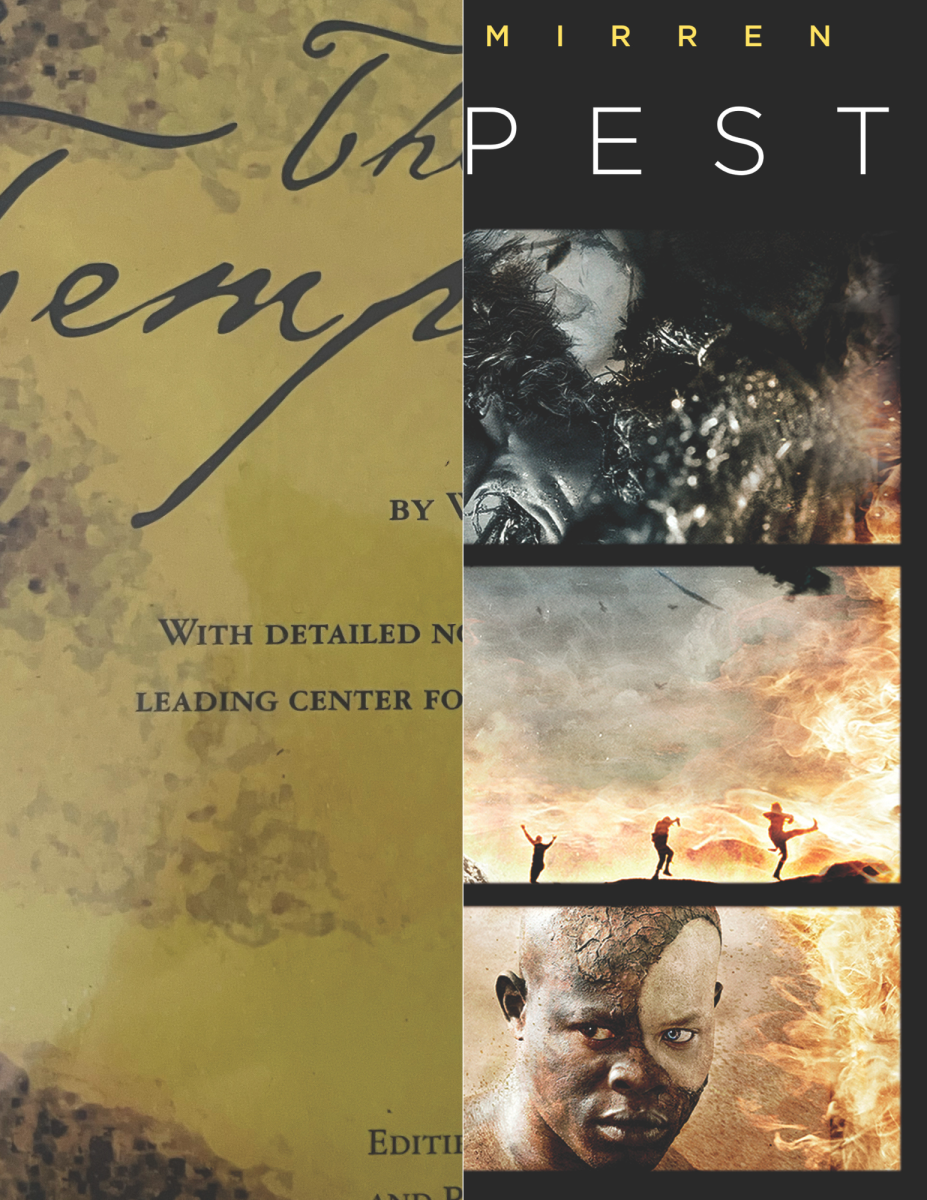
Honors English sophomores read Shakespeare’s last play, “The Tempest.” The fantastical, dramatic comedy is centered around Prospero, an exiled duke and magician who confronts his traitorous brother. The most recent movie adaptation of “The Tempest,” found on Prime Video, was made in 2010 and features some notable differences from the play. Firstly, the character Prospero is changed to “Prospera” and portrayed as a female lead, adding a theme of gender politics to the storyline. Some subplots are also taken out, as well as certain scenes. The movie’s dialogue is almost completely taken from the play, which is beneficial to students if they are uncertain about a particular scene. However, this does make the movie slow-moving and boring at times, as the dialogue made for a play does not always translate well on-screen. Additionally, some of the special effects are low quality, making the fantastical moments in the play anticlimactic. Nevertheless, the movie does a good job at accurately depicting the play, and is a worthwhile watch for understanding Shakespeare’s language on a deeper level.
“The Great Gatsby”
During junior year, all English students read F. Scott Fitzgerald’s “The Great Gatsby,” an American classic taking place in 1922. The book centers around Nick Carraway and his new life on Long Island, living next to the millionaire Jay Gatsby, who routinely throws extravagant parties to attract his past lover, Daisy Buchanan. The newest and most popular adaptation of the book, available on Netflix, was made in 2013, and parts of it are viewed by juniors in class. It stars Leonardo DiCaprio as Jay Gatsby, and Carey Mulligan as Daisy Buchanan. While known for its dramatic and flashy depiction of the parties, some criticize it for glamorizing the wealth that the novel intends to condemn. Yet, for me, it was actually those grand scenes that made the movie so entertaining. Its fast-paced style and interesting set design draw viewers in and give a cartoonish feel to the movie. Watching “The Great Gatsby” can be beneficial to students, as it allows for the visualization of some of the more nuanced scenes in the book. It is also a great watch for those who haven’t read the book, and is overall an excellent movie.