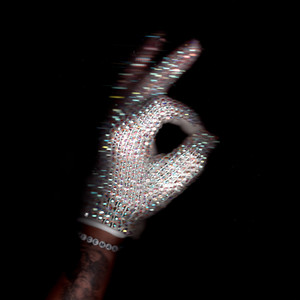


While Israeli pop singer Omer Adam has reached over one billion streams on Spotify and has performed multiple times for sold-out crowds at Madison Square Garden, his newest album was not up to par.
Adam released his 15th album, titled “Chelek MeHanetzach”, on Feb. 19. There are 15 new songs and two bonus tracks, all in Hebrew. 17 songs felt like too many for one album for us. One of the songs, “Yesh Yoter Midai Shirim Hayom,” is ironic, as the album then proceeded to do the opposite of the song title and flood fans with too much new material.
The album was also disappointing because it did not provide a new sound from his last album. Listening felt repetitive and boring. Adam’s signature sound of combining Israeli pop and Mizrachi elements was overdone in this album and none of the 15 new songs were especially amazing.
In fact, the best two songs on the entire album were the two bonus tracks that translate to “LeHinase Halaila” and “LeHishtatot”. While the first was in fact a slower song about yearning for a girl, the instrumental background was different from his past breakup albums and the lyrics incorporated Jewish wedding phrases. It is clear that Adam’s new album is not as creative as his old work, but the bonus tracks are on the same level as his older songs.
A song that stood out amidst the melodic whining that characterized most of the album was the final bonus track, “LeHishtatot.” This track used similar musical motifs from previous songs to create an electronic dance beat, ending the album on a happy note. The song was catchy, and the message was very upbeat.
The message in the track was a refreshing reprieve from the sadness that encapsulated Israeli art following the tragedy of Oct. 7. The song urged happiness without reason, dancing and livelihood. This message was especially emphasized with language like “you don’t need a reason to smile” or “you can scream sometimes for fun.”
Musically, the song did not stray from Mizrahi patterns mixed with Israeli pop, creating an instrumental background that could have accompanied any of his similar-feeling songs.
While refreshing in the album, it was not artistically novel.
The keystone of artistic innovation was the song “Mafia,” which opened with a musical theme taken from Prokofiev’s “The Dance of the Knights” from his ballet “Romeo and Juliet,” transposed in a different key. This was stimulating, as many of his other songs start with repetitive introductions, creating an environment that feels like listening to the same song on repeat.
Thematically, the album was challenging to empathize with, as his album also surrounds breakups, which is evidently a contributor to the tone of the catalogue. Other songs worth mentioning from the album are “Abba Abba Abba,” “Pina Shel Sheket,” “Leilot Yafim” and “Rio de Janeiro”. The first three deviated from the same repetitive intro that Adam consistently uses, and “Rio de Janeiro” was another upbeat pop song.
While Adam has a powerful voice and a clear artistic vision, he is repeating what was successful before, rather than innovating. Hopefully, he will add variety to his discography and utilize his talent to a greater extent.
Adam has a unique role in Israeli music as someone who is very notable both to Israelis and to diaspora Hebrew speakers. This gives him a greater responsibility to innovate and bring novelty to his listeners and creative peers.