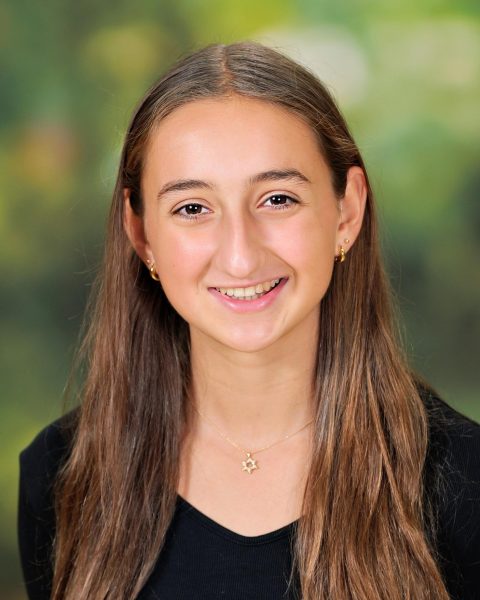

From weighing campus size and dining halls to comparing majors and social scenes, high school students across the country struggle to decide which colleges will fit them best. But for senior Ellie Strisik-Rosenthal, that challenge goes a step further. As a neurodivergent student, she couldn’t find any tools or guides designed to help students like her navigate the college search, so she decided to create her own.
In April 2025, Rosenthal founded College For All, a website that helps neurodivergent students navigate the college process.
When Rosenthal began researching schools, she realized that existing resources were limited and mostly targeted toward parents. So, she began building a platform not just for herself, but for neurodivergent teens across the country.
Neurodiv ergence is a term that describes those with a brain that functions differently from what is considered “typical,” and includes a wide range of conditions including autism, Attention-Deficit/Hyperactivity Disorder (ADHD), and dyslexia. Neurodivergent students face varying challenges in both high school and college, according to the Neurodiversity Hub.
“My belief about neurodivergence in general is that it’s a difference and not a deficit,” Rosenthal said. “So this website is really about helping other people navigate what can be a really difficult process for anyone.”
The site includes six sections covering topics such as college accommodations, student resources, and a “scorecard” tool that helps users evaluate colleges based on their neurodiversity support services.
In developing the website, Rosenthal conducted interviews with many experts, including therapists, directors of neurodiversity programs, and university support staff. She also compiled a list of 50 college support programs specifically designed for neurodivergent or disabled students. Rosenthal did not have much prior experience in designing websites before developing College For All.
“I sort of just had to figure it out as I went, but I really do like graphic design, so it was really fun for me to design the pages and put the pictures I want on it,” Rosenthal said. “It really means a lot to me.”
Associate marriage and family therapist Jordan Gill—who was featured in an interview on the College For All website—said that neurodivergent teens can experience intense anxiety about feeling left behind in the college process, especially given the increasingly competitive high school environment. Gill, who was diagnosed with ADHD at a late age, wishes that College For All had been around when he was in high school.
“It would have made me feel a lot more seen and a lot less alone,” Gill said. “I think so many of the things that proliferated out of those feelings of loneliness and solitude and brokenness and a lack of trust in myself might have been avoided if I felt that there were other people who know what I’m going through.”
Since launching the site, Rosenthal has received positive feedback from both organizations and students. In September, she spoke at Stanford’s Neurodiversity Summit and was featured in Bethesda Magazine. Her work has also been promoted by Autism Speaks, the largest nonprofit for autism in the United States, as well as Vanderbilt University and the Autism College Network.
Students have told Rosenthal how helpful the website has been for them throughout the college process and praised the connection the website has brought them. In the past year, the website has received over 3,000 unique viewers. Rosenthal’s father, Jonathan Cowan, is proud of how the resource has helped others.
“We have felt immense pride,” Cowan said. “You know the sense of not only that your kid is doing something that is really unique and takes a lot of creativity and drive, but that they’re doing something that is empowering so many other kids who are often ignored or looked down on.”
Beyond helping students with the college process, one of the main goals of College For All was to make sure students don’t feel alone, according to Rosenthal. To do this, she is very open about the struggles she has had with neurodivergence.
“I really embrace being neurodivergent myself,” Rosenthal said. “The big message is to empower other people to embrace themselves.”