
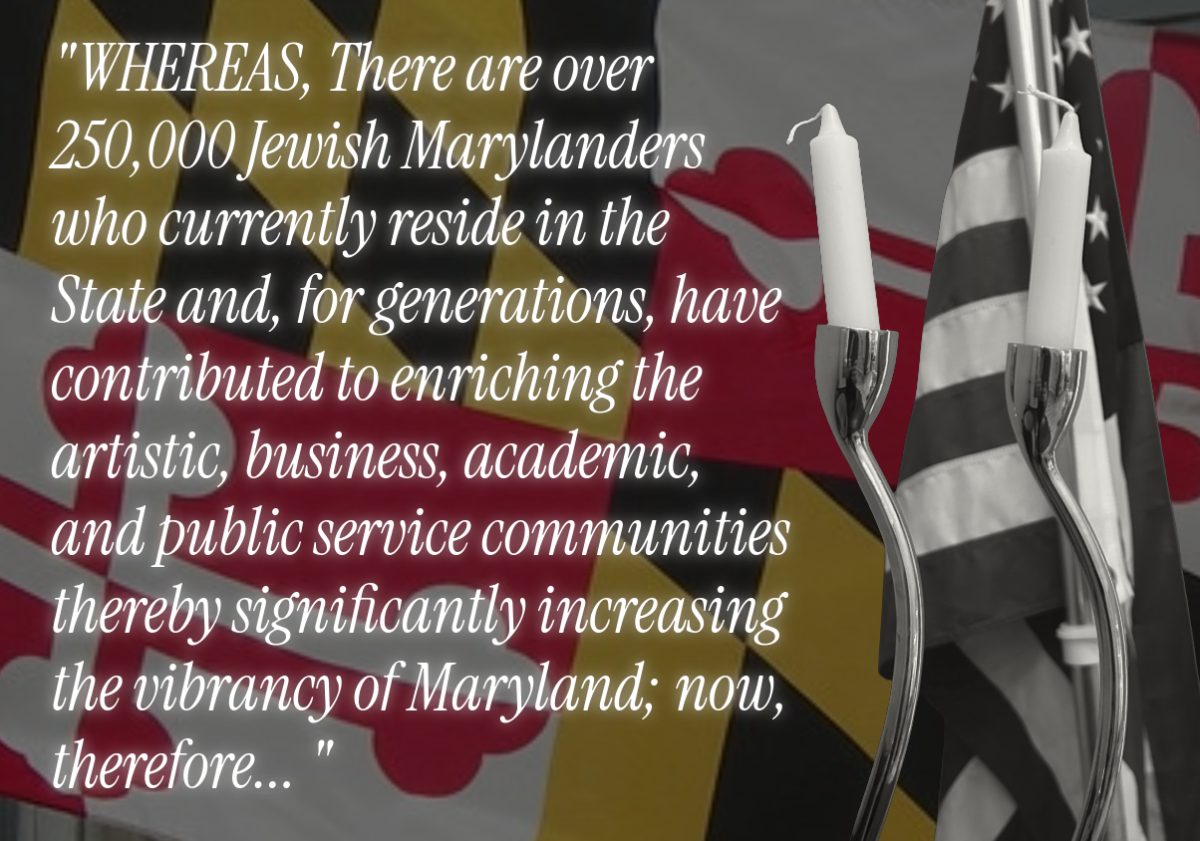
During the early 1900s, an explosion of Jews and people living around the world immigrated to the US in pursuit of the American Dream, because “in America, the streets are paved with gold.” Commemorating Jewish contributions to American society, Jewish American Heritage Month was officially recognized by President George W. Bush in 2006. On May 12, Maryland Gov. Wes Moore signed a bill declaring May to be Jewish American Heritage Month, after temporary disruptions to government calendars caused friction.
At CESJDS, a team of teacher communicators, called B’Yachad, works to celebrate multiculturalism and diversity in the JDS community. They help students of all divisions learn about events like Black History Month and Women’s History Month, giving opportunities to hear from peers in these communities and learn more about their history. As a pluralistic Jewish day school, however, JDS celebrates Jewish heritage all year long, Rabbi Robbie Shorr, High School Jewish Life Chair, said.
“Being here where Jewish heritage is so present in everything we do, from a once-a-year thing like Zimriyah to daily stuff like ZK and Kab Shab and everything between,” Shorr said. “But I think it’s important to kind of in the way that we understandably mark all these other heritage months for different communities that have roles in our school, and the wider community as well, that we celebrate what the Jewish community has done in broader American society.”
Though being at CESJDS gives students a rich experience to express and learn about their Jewish identity on a daily basis, High School Assistant Principal Aileen Goldstein says that it’s important to remember the sacrifices previous generations have made to allow American Jews this comfort in the modern day.
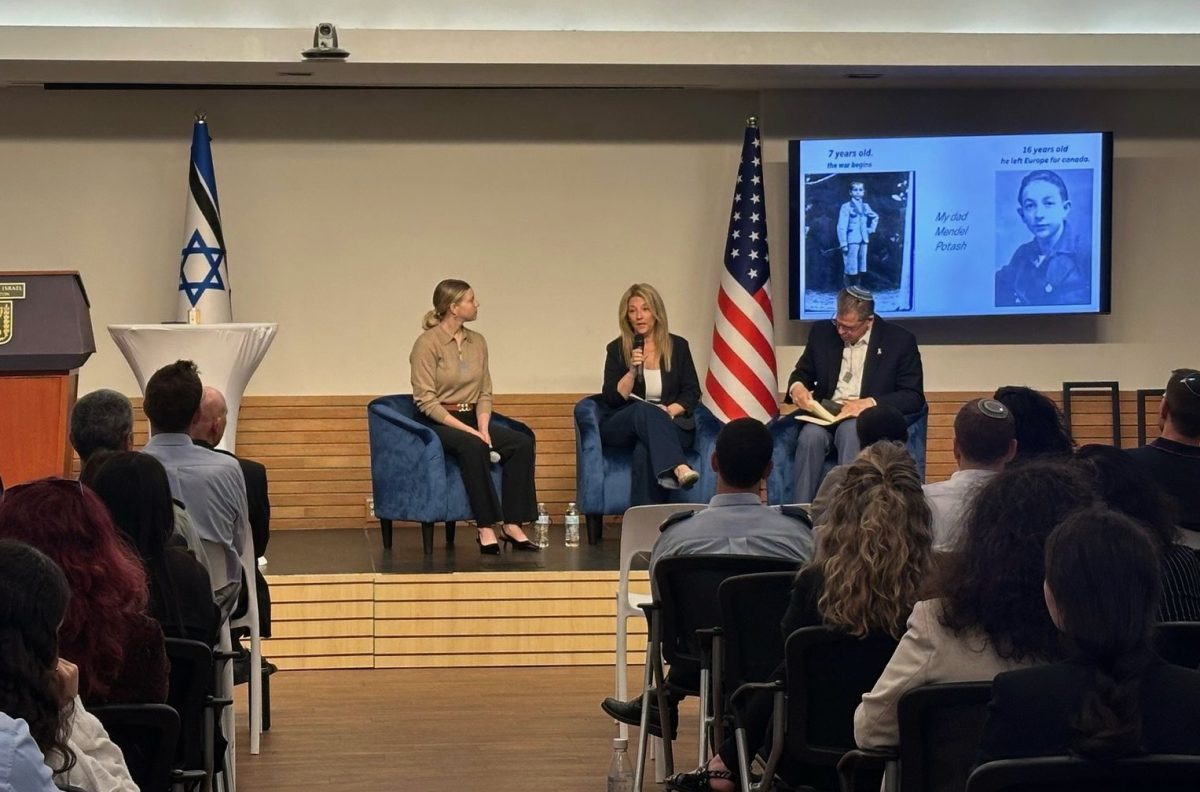
Goldstein’s great-grandfather was a benefactor in the Detroit Jewish community, who helped to build yeshivot and synagogues as communal institutions. She explained that JDS’s goals as an institution are to guide students’ learning and appreciation of their Jewish American heritage. They fulfill this through general appreciation of heritage as well as specific events, such as the family history project in the 10th grade Modern Jewish History class.
“[These projects are an] amazing way to say… Where do I come from, and where is my heritage before I got here, and how did that evolve within my family here?” Goldstein said. “It’s not just about me in the immediate and how I’m processing, but what has this look like for generations of my family? Where do I fit in the bigger picture and puzzle?”
For junior Ella Kane, who came to JDS in seventh grade, learning more about her Jewish identity through her time at the school has been beneficial to her understanding of herself and her family’s history. Kane also stressed the importance of connecting to and understanding Jewish heritage amid growing antisemitism.
“I think that it’s something really important, because especially during times like these, Jewish people are facing a lot of antisemitism and general judgment and harassment,” Kane said, “And I think it’s important to be able to recognize that we are a minority.”
After the second World War, conditions started to improve for Jews in the United States and around the world, and they were able to grow and expand their communities after facing tragedy, according to Goldstein. However, she says, the recent rise in antisemitic beliefs and actions has stressed the importance of JDS’ dedication to educating students about where they came from.
“I think the essence of who we are and what we stand for, inherently, is about supporting Jewish heritage, Jewish American Heritage,” she said, “and [telling] our students day in and day out, you are Jews living in America… and what does that mean to be living, walking, breathing and active as a member of the Jewish community?”