
As freshman Ami Milner-Gillers sits down with students from schools across the Greater Washington area, the room at Beth Sholom Congregation in Potomac buzzes with discussion about leadership and core Jewish values.
Every Wednesday night, dozens of Jewish teenagers gather as a part of the Senator Ben Cardin Jewish Scholars Program (Cardin), a leadership initiative run through the National Conference of Synagogue Youth (NCSY). NCSY is an organization that provides social and educational programming to help Jewish teenagers connect with their heritage. High School Learning Specialist and sophomore dean Brett Kugler, who has been involved with Cardin for over a decade, sees the value in offering students multiple paths to engagement.
“Jewish programming brings different types of values and different things that help students connect,” Kugler said. “The more avenues in which students have to connect is just a beautiful opportunity, and I’m thrilled to see so many students pursuing things, not only in a classroom but also outside.”
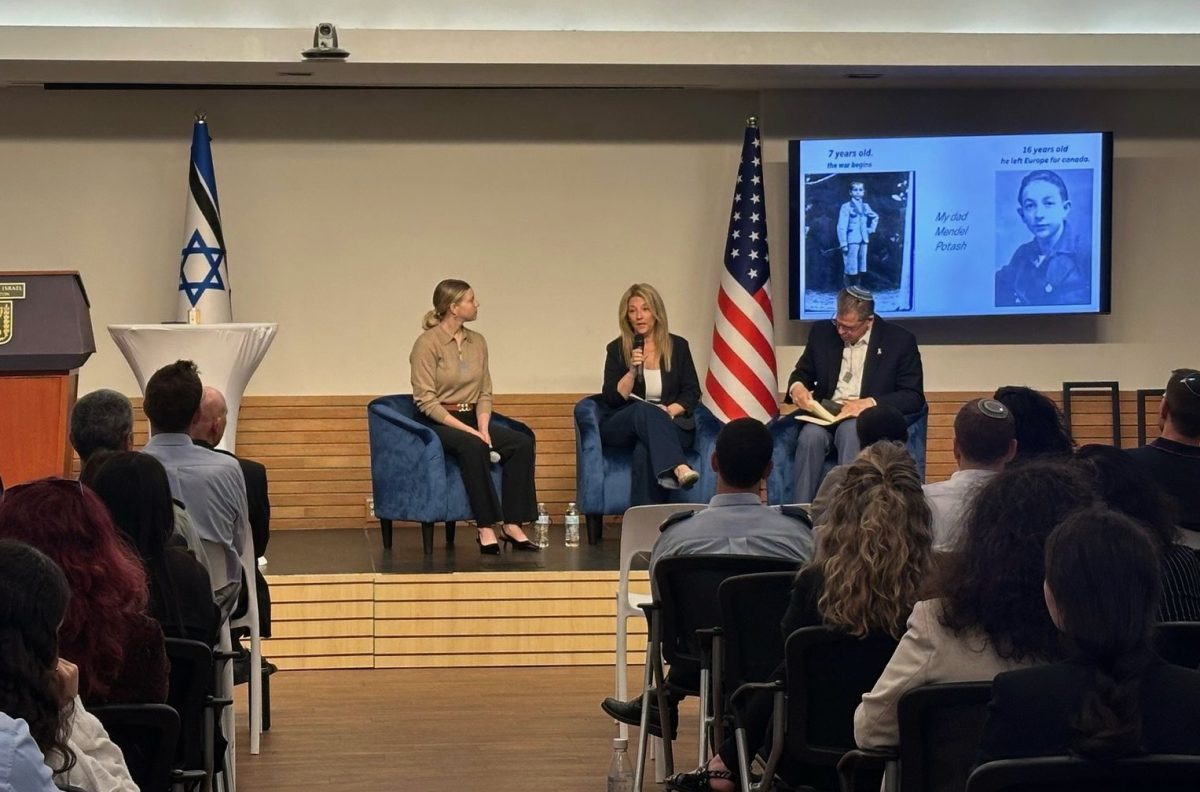
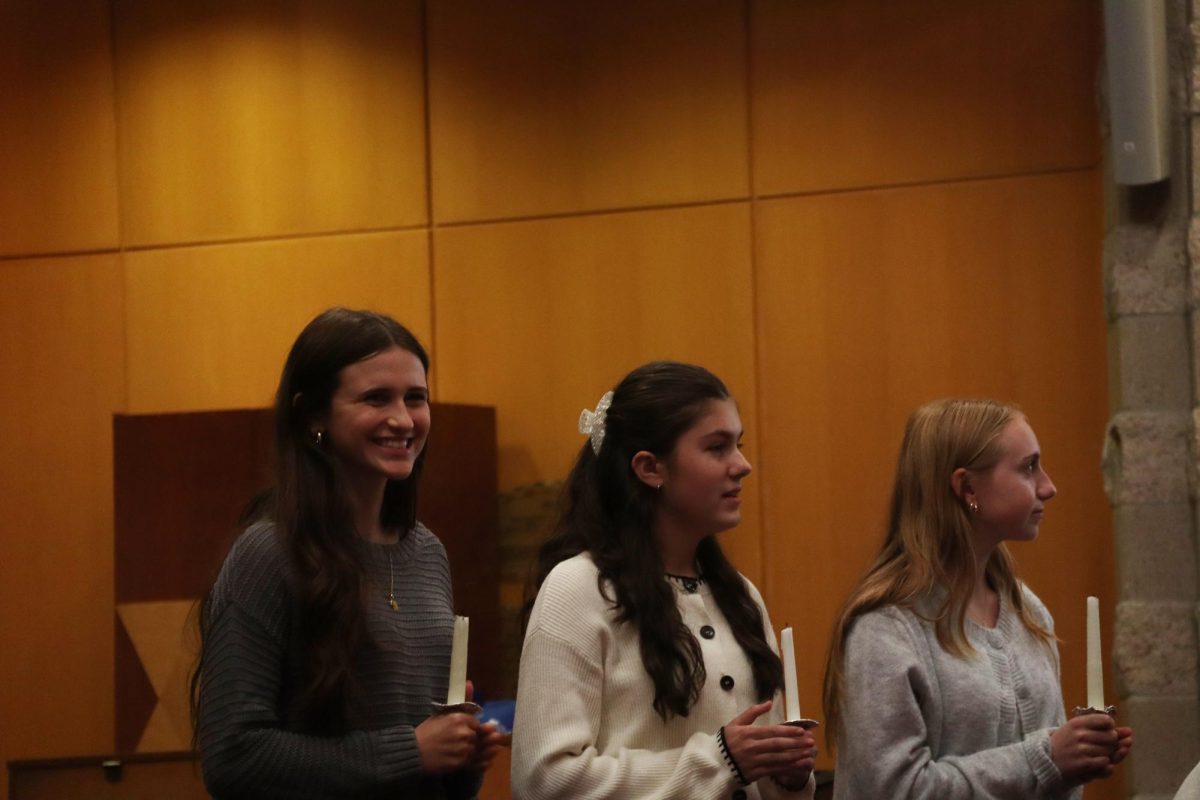
Running from the middle of January to the middle of March, the 10-session program begins each Wednesday from 7:30 to 9 p.m., starting with a communal dinner. Students then break into smaller learning groups of three to six, each led by an adult mentor. Together, they explore Jewish texts alongside contemporary issues, with guest speakers from fields like law, medicine and politics closing out each session.
“I think [Cardin] has a really wonderful Jewish environment, and a tremendous number of opportunities for students to experience their Judaism, both in classes and experientially,” Kugler said.
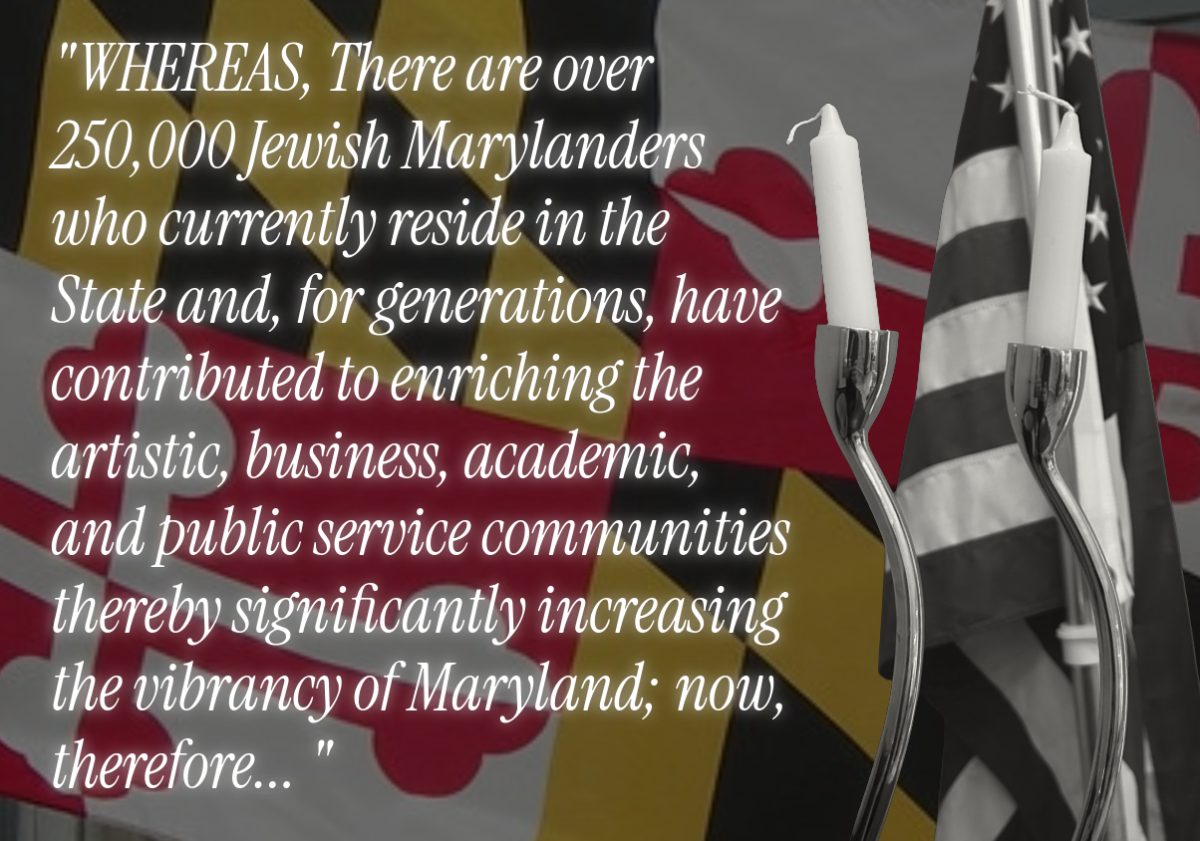
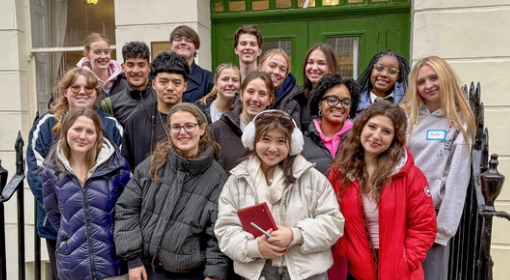
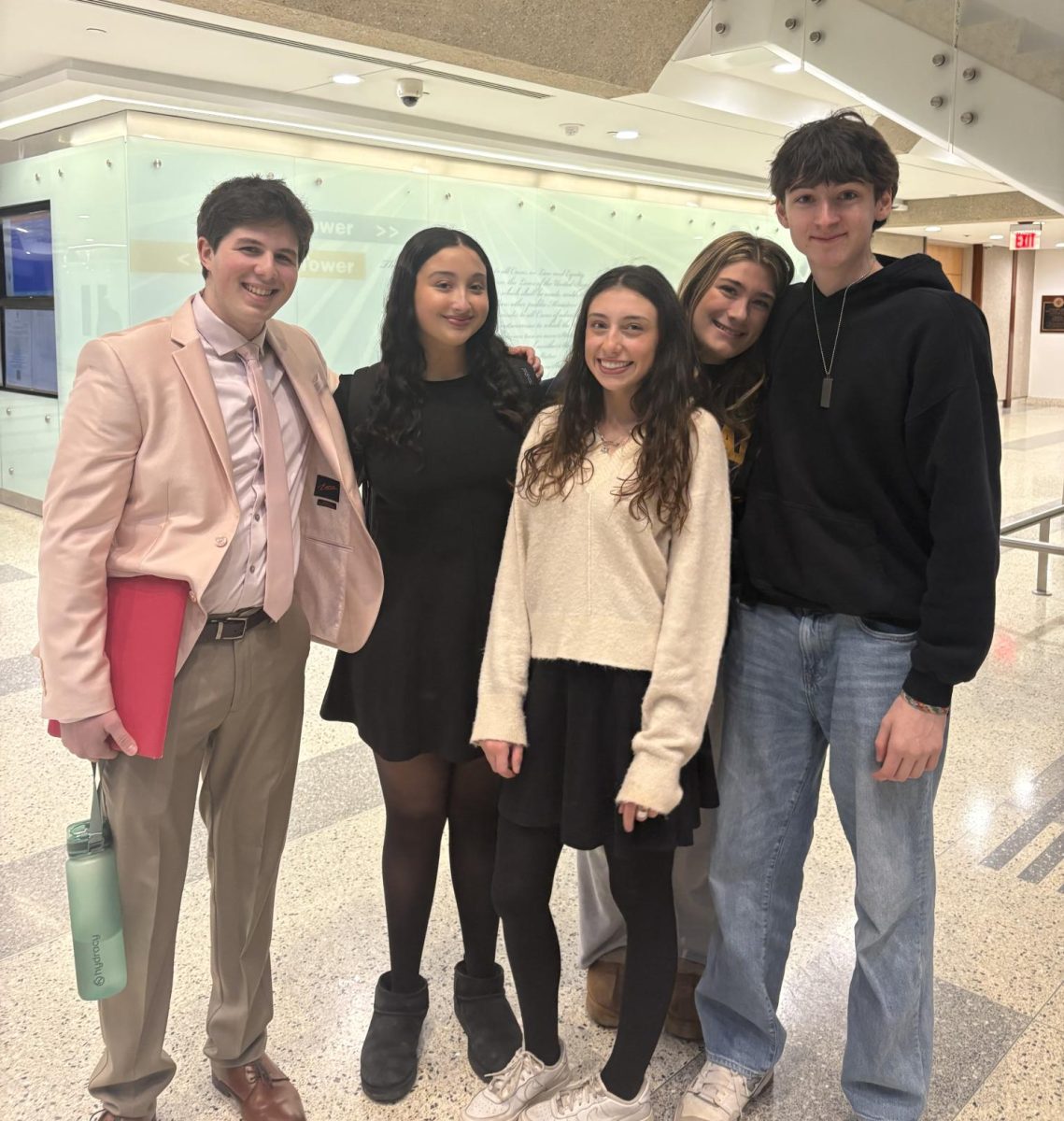
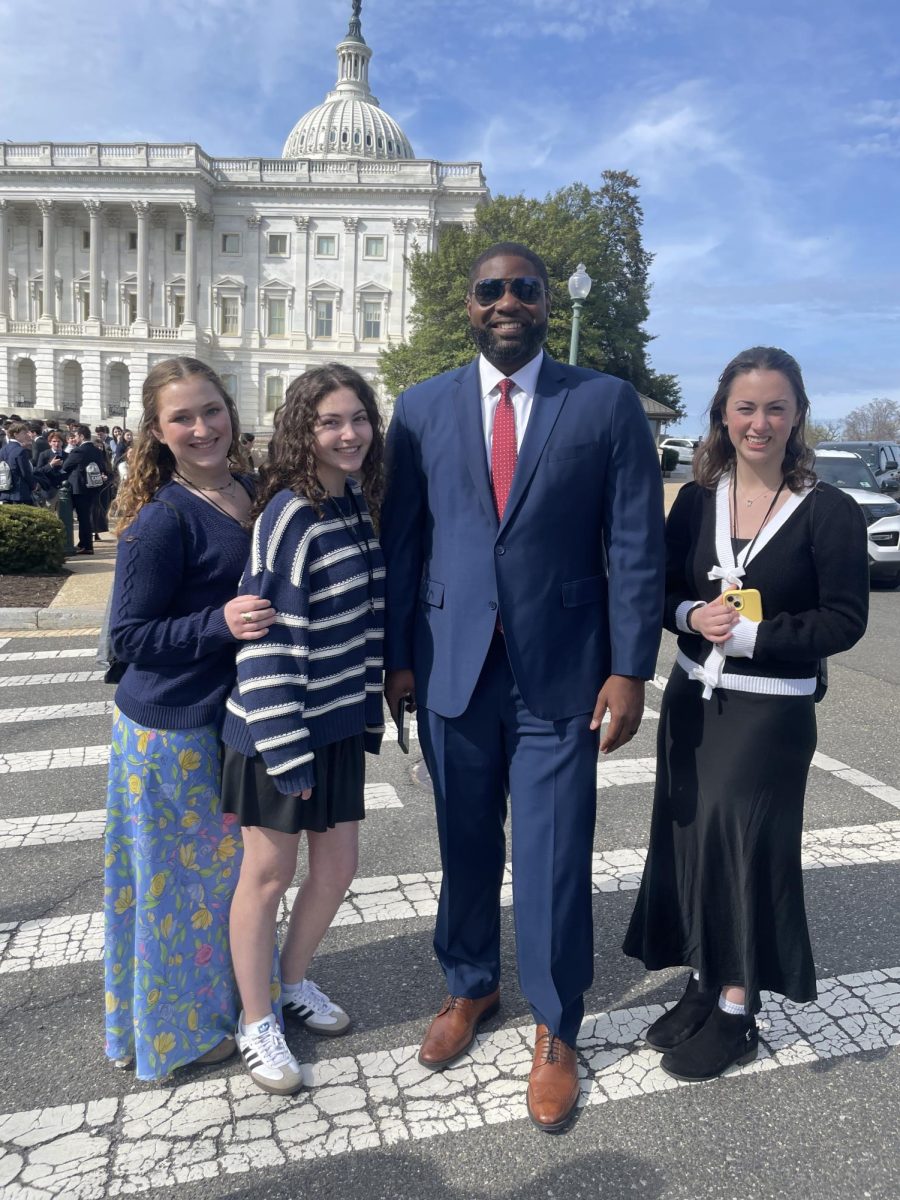
The program culminates in a lobbying trip to Capitol Hill, where students meet with lawmakers and advocate for issues affecting the Jewish community. During this trip, students interact with professional lobbyists and are trained in specialized techniques before meeting with senators and representatives to lobby on behalf of legislation relevant to a variety of Jewish interests.
Having smaller groups and closer relationships, not only with peers but also with mentors, enhances the experience and sets the program apart from a typical classroom experience, according to Milner-Gillers.
“I love the learning aspect of it because it doesn’t really feel like school,” Milner-Gillers said. “The learning that we do isn’t so structured … I find that really comfortable.”
The program is just one of several initiatives aimed at strengthening Jewish identity and leadership among teenagers. The Shalom Hartman Institute’s Teen Fellowship also seeks to provide students with opportunities to explore Jewish ideas and community building on a national level.
Unlike Cardin’s in-person meetings, Hartman takes a different approach. All of the courses are held over Zoom, due to the fact that the program reaches across the United States and Canada. Open to students entering grades 10 through 12, the fellowship offers a catalog of weekly classes covering topics like liberal Zionism and Jewish practice and ethics.
Fellows choose their own courses each trimester and attend two virtual Beit Midrash sessions with leading Hartman scholars throughout the year. Each fellow is placed in a shevet, a group of about 15 students led by a college student, and gathers in person twice a year at shabbatonim.
Junior Lilah Sacks, who participates in the fellowship, feels that the program’s flexible structure is what sets it apart from other programs she has done.
“There are lots of opportunities, and you can make it a very personalized thing where you take Jewish classes and learn about different things that you think are important,” Sacks said.
Both programs require students to submit applications to participate. Along with the application, Hartman has a fee to participate, while Cardin does not. Hartman costs $1,000 and includes all travel, lodging, meals, retreat expenses and educational materials for the year.
While Hartman connects students nationally, Cardin builds community locally. Milner-Gillers, who joined Cardin this year, believes the program has strengthened his view of leadership as a Jewish teen.
“I think just building a greater knowledge about other people and what they think and how they think it, it’s just a really positive experience,” Milner-Gillers said. “It’s helping others achieve their goals and helping them do things that you don’t necessarily have to do yourself, but helping other people.”