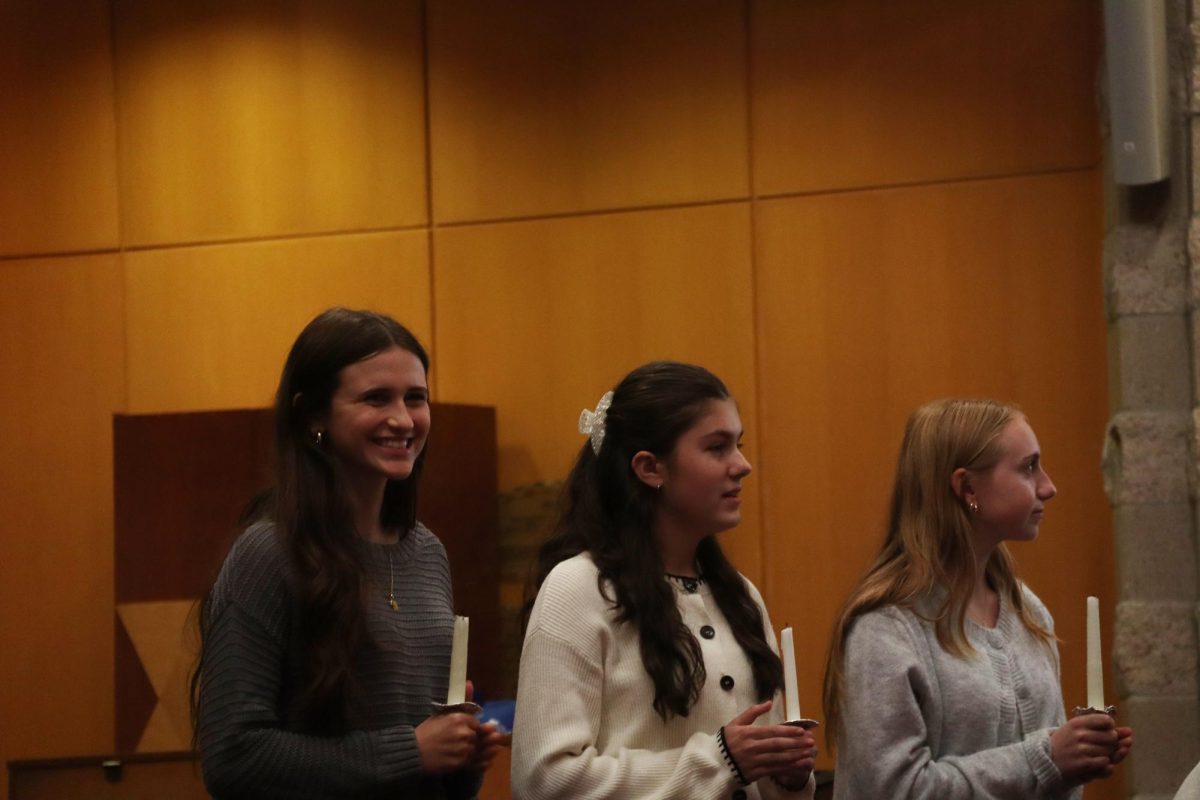

On graduation day, JDS seniors walk across the stage at Washington Hebrew Congregation as families and friends celebrate students heading toward the next chapter of life. Diplomas are handed out with the expectation that students are prepared for the responsibilities that come with adulthood, an expectation that does not always reflect reality.
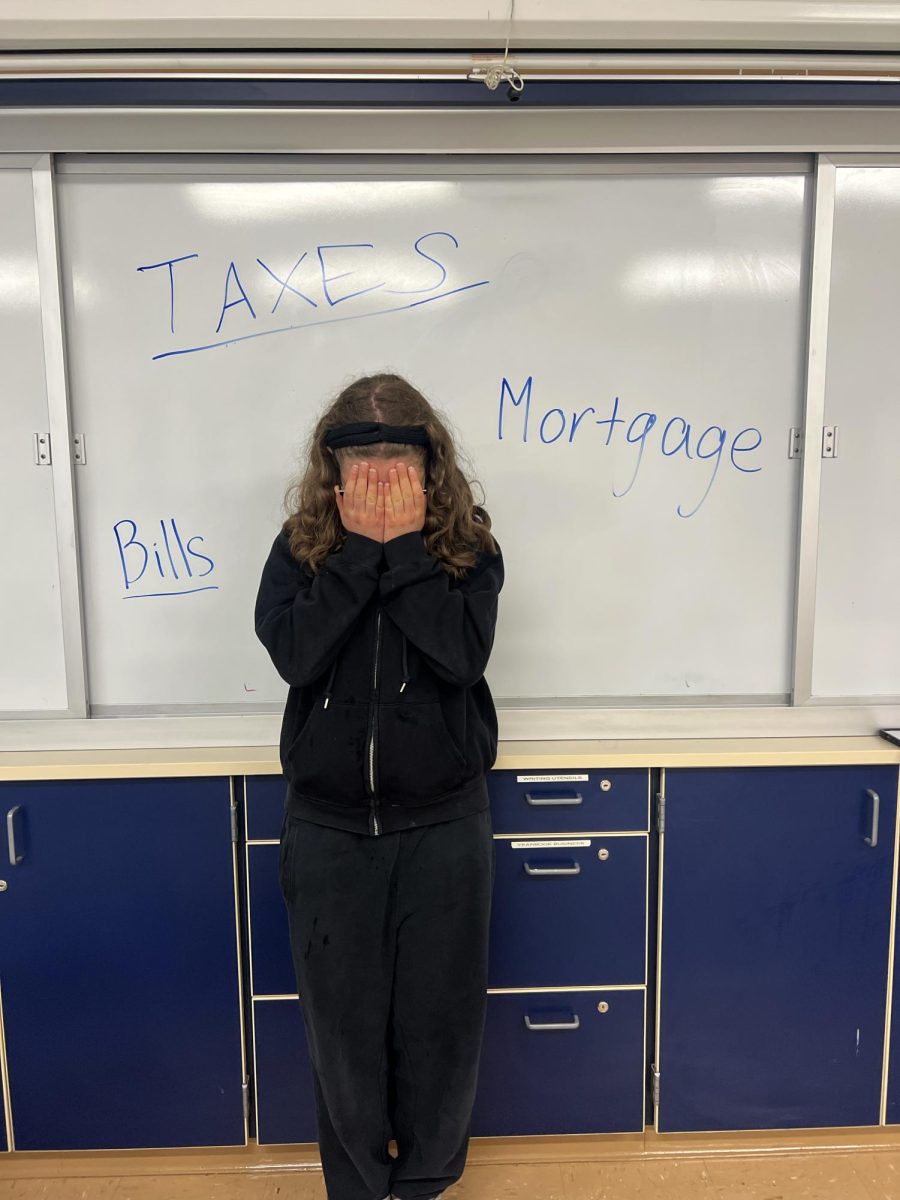
A high school’s main goal is to prepare students for adult life. Yet, one in every three high school graduates says their high school education did not sufficiently prepare them for adulthood, according to a 4-H study. Many high schoolers graduate without knowing how to cook, clean, schedule appointments, do laundry, professionally apply for jobs, or manage their finances. It is JDS’s responsibility to ensure its graduates enter their next chapter fully prepared for whatever challenges arise. Implementing a life skills or adulting course would ensure students are adequately ready for the hardships of adulthood.
Those in higher education have noticed this lack of preparation, including Rachel Thomas, who wrote an article about the lack of education on these skills that she witnessed firsthand with teenagers. She reported that her students were unable to do their own laundry, cook or schedule doctors’ appointments and suggested that these problems could be easily avoided if these skills were included in high school curricula.
These same problems occurred to JDS graduates. Students believe they leave JDS without the fundamental skills necessary for thriving after graduation.
Alumnus Harry Davidson (‘23) said that academically, JDS prepared him for college. However, he was less prepared than he would have hoped to be in terms of adulting skills. Davidson said he did not understand how credit cards worked, how to do laundry or how to cook and clean.
“I think it certainly set me back a little bit in college,” Davidson said. “I noticed that some of my peers who came from other private schools, [or] public schools, had taken courses and understood more.”
Davidson said that this lack of skill was a consensus among classmates in his JDS graduating class. Learning the tangible, essential skills for life in and after college would have been extremely beneficial not only for Davidson but for his peers and all JDS graduates. He believes that implementing a life skills course at JDS would have drastically improved his early college experience.
“I think a lot of the responsibility is on the school,” Davidson said. “Many people come from different backgrounds. You don’t know what type of family people come from. So I think it’s always important that the school is making sure that everyone has a baseline understanding of these specific adult skills.”
JDS has senior workshops that cover financial literacy and other important topics. However, there is more that students need to be taught before they leave. The senior seminars fail to teach students how to cook meals, clean a home, maintain a car, find a job, and so much more.
Additionally, JDS offers an informative economics course; however, it does not offer a substantial money management course. The economics course teaches students why the general economy behaves the way it does, but it is also important that students learn how to use personal funds efficiently.
I suggest that JDS implement life skills education into advisory time. Each semester could have a specific topic or skill targeted to each grade, which can be taught during one of the two allotted advisory times weekly. The skills can be taught by guest speakers or prepared presentations for the advisors. As students progress through high school, they will be able to learn all the skills necessary.
Moving away from home can be stressful and scary. Being prepared and educated about adulthood can significantly reduce stress. JDS must send its graduates into the “real world” with all the skills necessary to thrive.