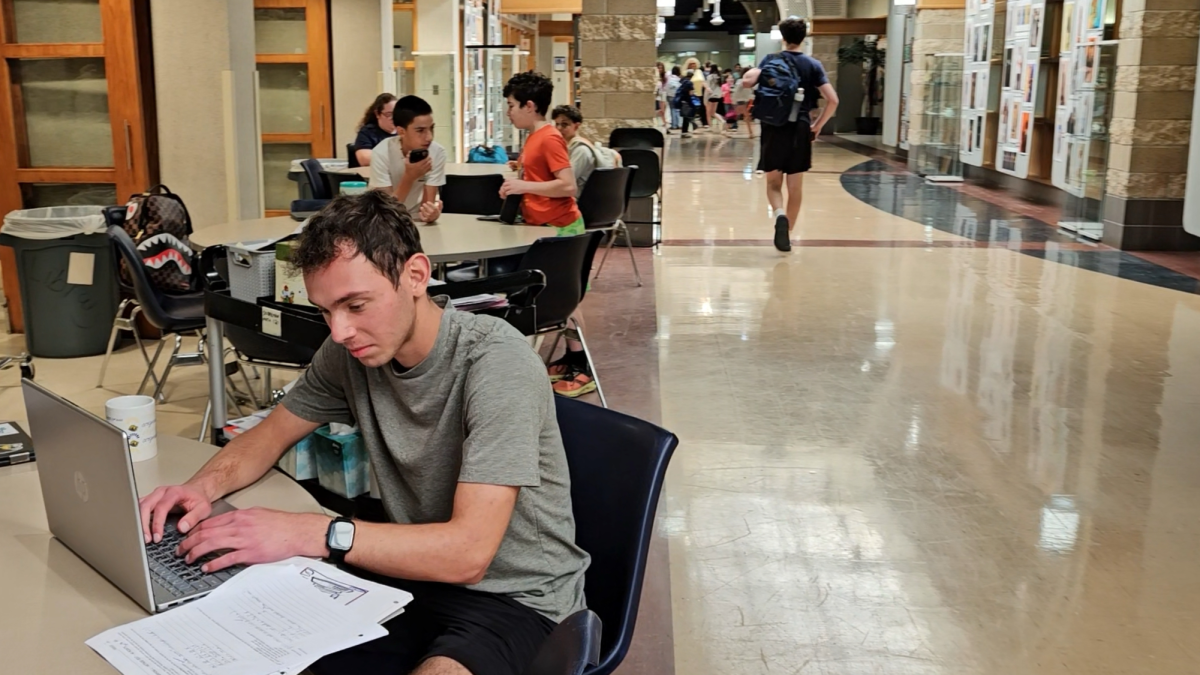

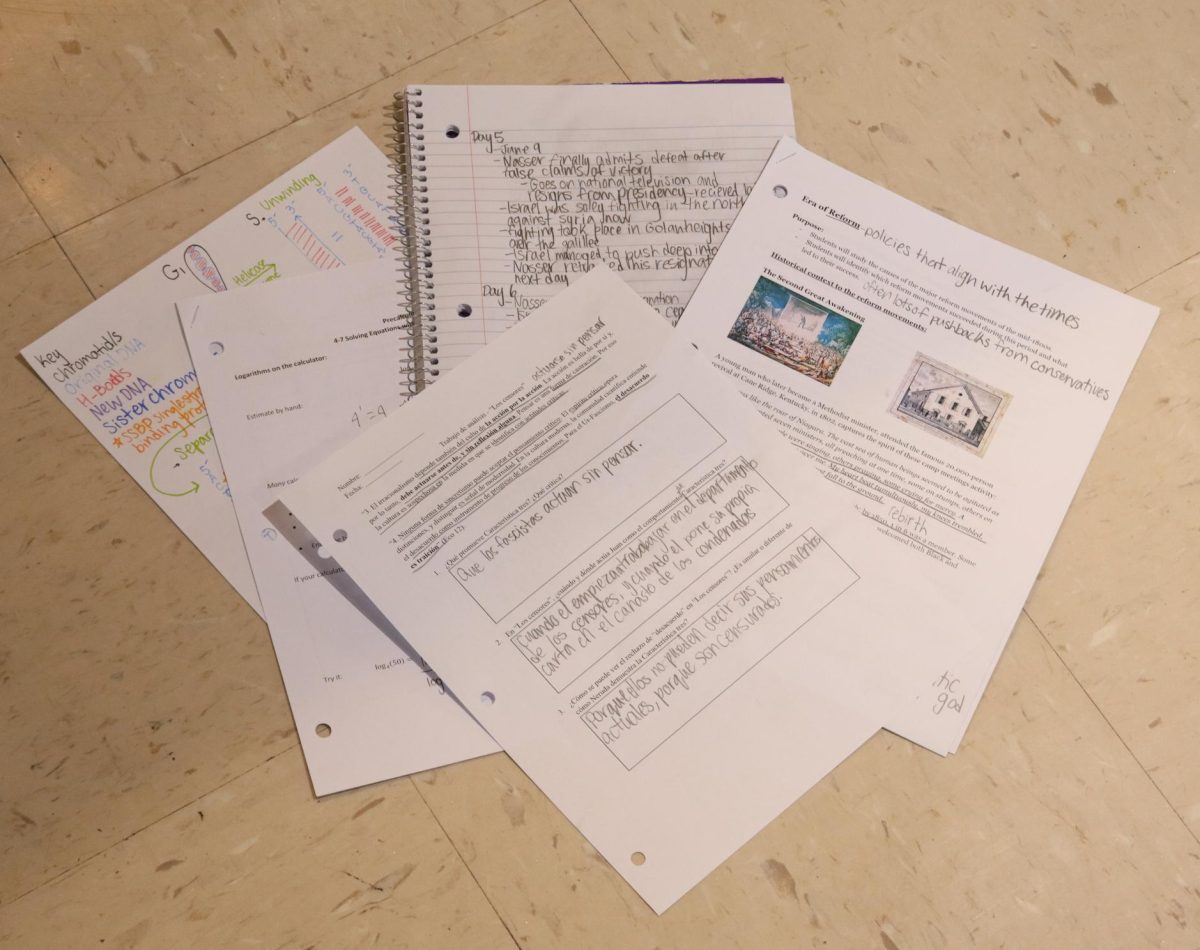
It is a typical Wednesday afternoon. I have soccer practice after school, and after I get home and eat dinner, I will likely have several hours of homework to do before I can go to bed.
The good part about having homework is that students have time outside of school to expand what they learn in school and review material. The challenging part is that busy students can feel overworked and tired. Teachers can feel that they are in a perpetual cycle of grading assignments and retakes, struggling to have students prioritize the important homework they are assigning.
A combination of after-school demands, for example, extracurricular activities, part-time jobs, devices and homework can contribute to dangerous sleep deprivation, with UCLA Health describing teens as “stretched thin” with schedules that leave little room for rest.
According to a 2025 study in BMC Psychology, excessive homework is a major source of academic stress. The study says that a lack of sleep weakens memory, increases anxiety and compromises students’ ability to learn during class.
Beyond stress, lack of sleep can be a safety issue as well. Sleep is crucial for high school students, as it influences their development. Hopkins Medicine recommends that teens sleep around 9 hours per night, which is a number very few teens consistently reach.
Hopkins Medicine also notes that tired teens are prone to car accidents and unsafe decisions, especially while driving. The seriousness of this issue signals an opportunity for JDS administrators, teachers and students to discuss the best way to support learning through better homework policies.
JDS has recognized this challenge and in recent years has developed a new extension and retake policy to reduce students’ stress surrounding out-of-school assignments, where more extensions are afforded, and retakes are often always available.
So clearly, JDS is already trying to help students in terms of homework, by giving less of it, and being more flexible with deadlines for busy students. But there’s still work to be done to improve.
Students are often asked to complete long packets, repetitive tasks graded for completion or about material they haven’t yet mastered, which can reinforce mistakes. According to a Stanford Study, many students often describe much of their assigned homework as “pointless” and completed just to avoid losing points.
Even more striking, according to Healthline news, homework stops benefiting students after around four hours a week, not four hours a night. Past that point, additional work has no more meaningful impact on students academically.
Our goal should not be to eliminate homework, it should be to ensure that expectations remain healthy and appropriate. When homework exceeds that balance, its impact extends beyond quality of learning and begins to affect student’s wellbeing.
However, not all homework meets this standard. Assignments that are overly repetitive, excessively time-consuming or assigned before students fully understand the material can undermine learning rather than support it.
Teachers should carefully consider the homework they provide to augment what they can cover in class. JDS teachers already assign thoughtful homework such as preparation for tests, math problems, reading for next class and more.
These beneficial homework assignments build mastery, as they are purposeful and well-balanced. Through reinforcement and application of knowledge, students work diligently to retain information. This means that homework can be essential when it is meaningfully curated to reinforce skills, but it’s also a main component of teenager stress.
Therefore, teachers and students can get the best out of homework by focusing on a quality over quantity approach. In most cases, it is helpful to assign less and assign with purpose so that students don’t leave school, facing more school.