
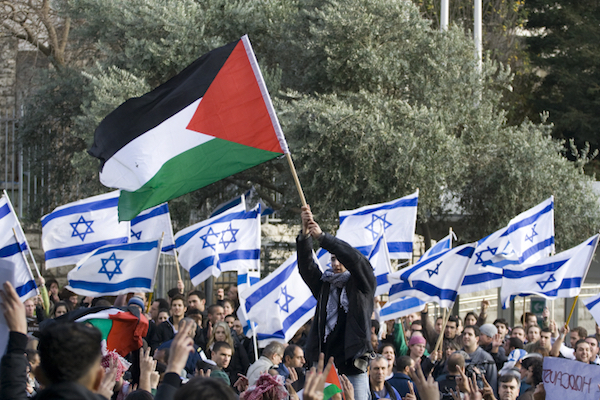
In the years following Oct. 7th, numerous celebrities, politicians and public figures have put out statements voicing their opinions on the Israel-Hamas war. While there is a lot of anti-Israel rhetoric going around, there have also been acknowledgments of violence on both sides that has been dismissed by Zionists as “pro-Palestine.”
Celebrities or public figures who have called out Israeli violence but also Hamas violence have been labelled as pro-Palestine or anti-Israel. Pointing out violence on both sides of the conflict does not make someone inherently anti-Israel, and there has been a general inability to separate the people who are just pro-peace from the people who are actually pro-Hamas. When we treat this situation as zero-sum, both sides lose.
On Sep. 12, 2025, the United Nations General Assembly (UNGA) voted to support a two-state solution and a ceasefire in Gaza, voicing concern over bloodshed and calling for it to end. The overwhelming response that I’ve heard from Jewish community was to immediately claim the resolution was anti-Israel, but that is not the case.
The resolution, which was passed before the ceasefire between Israel and Hamas in October, heavily emphasized an immediate return of all hostages, condemned the terrorist attack on Oct. 7, 2023, demanded that Hamas disarm unconditionally and stated that Hamas could have no role in Gaza’s future.
At the same time as supporting Israel and acknowledging Israel’s right to their demands, the resolution also acknowledged the need for a Palestinian state and a safe future for Palestinians. Just because something is good for Palestinians doesn’t mean it’s inherently bad for Israel. In fact, the goal for both parties should be a solution that is beneficial for all sides at the same time.
Sharing concern for the future rights of Palestinians isn’t always anti-Israel. While it occasionally leads to anti-Zionist and antisemitic ideas, like violent protests or dangerous statements, which are horrible for Jews around the world, that isn’t always the case.
Language like that of the UNGA resolution, that both incorporates pro-Israel ideas and acknowledges Palestians and their concerns, should be the ultimate goal of both sides. Everyone loses when we fail to see the needs for both sides and instead focus on single aspects of ideas and statements to benefit our perceived correct side.
The most frequently mentioned commandment in the Torah is to not oppress the stranger. In this case, the Palestinians are strangers in the Levant, fearing for their safety in both Gaza and the West Bank daily. Having the opinion that they should have their own state is a question of politics, but ensuring that they aren’t mistreated and victims of violence is a question of human decency and fulfilling mitzvot.
Mentioned 36 times, this mitzvah commands us to be kind to gerim, strangers, because we, too, were once strangers in the land of Egypt. As Jews, our first thought should be to prevent violence and harm on all sides of the conflict.
It is important to acknowledge that we can support these rights without being decidedly anti-Israel, but it’s a fine line. For example, defending Hamas is not a right nor an opinion that anyone should value because of the harm they cause both to Israel and Palestinian citizens.
No government is perfect, Israel included, and forcing people to support every decision they make regarding the Palestinian people weakens the pro-Israel cause as well.
Making quick judgements and assumptions about people or statements and labeling them as “pro-Palestine” is dangerous to everyone. We need to remember that speaking up about violence on both sides is necessary, and when we treat this situation as all-or-nothing, no one gets what they rightfully deserve.