

Lying on the grass under a sky scattered with stars Friday evening of the sophomore Shabbaton, sophomore Megan Poretsky and her friends point out constellations, taking in the nature surrounding them. For Poretsky, this moment was the epitome of what a Shabbaton is meant to offer: time to destress outdoors from the usual pressures of the week and connect with new people.
Each year, every high school grade has a Shabbaton where the grade celebrates Shabbat together at a nearby camp. This year’s sophomore Shabbaton, held from Oct. 24-25, began at Top Golf, a long-standing tradition for sophomores. After spending the morning golfing and socializing, students boarded the buses to continue the weekend at Capital Camps in Waynesboro, Pennsylvania .
Upon arrival, the sophomores launched into their introductory bonding activity: cup stacking. Planned by the sophomore Grade Government, groups competed to build the tallest cup tower. This activity served as a segue into the Shabbaton’s theme of “Balance.”
“We try to get them to think about [balance] in many contexts as they have become a little more comfortable in whatever their identity is in high school,” High School Jewish Life Chair Robbie Shorr said. “Academic and social balance. Should they try to really focus on one thing or balance lots of different strengths or interest areas?”
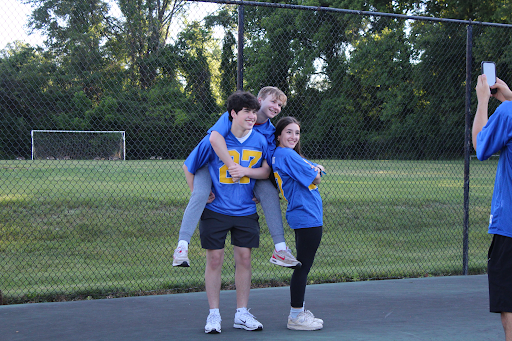
Friday evening included preparing for Shabbat, attending Kabbalat Shabbat services and sharing a communal dinner. Saturday began similarly with morning services, followed by breakfast and a variety of optional activities. Some students participated in nature walks and hikes around the camp, while others played sports such as volleyball or Spikeball.
According to Shorr and 10th Grade Dean Brett Kugler, the sophomore Shabbaton differs from the freshman Shabbaton in several ways. This year, the Grade Government played a larger role in planning and organizing the activities. Unlike the freshman Shabbaton, senior counselors were not present in the bunks or supervising, allowing the 10th graders to navigate much of the weekend more independently.
“We try to balance tradition with giving leeway for the students to take ownership of their trip, and so we have a nice balance from past years, as well as new activities,” Kugler said. “So it’s nice to carry on some traditions, as well as also having the opportunity to come to your own spot.”
As a co-President of the 10th Grade Government, Poretsky played a large role in planning these activities. One of these activities was group debates, where students were split into groups and were given prompts such as “Crocs or Birkenstocks” and discussed their position in groups. Then one person from each side of the debate would come up in front of the whole grade and share their thoughts.
Due to the smaller size of the sophomore class, Porestsky said that she felt students could more easily form connections throughout the weekend.
“I think for bigger grades, it might be a little bit harder for them to bond,” Poretsky said. “There are so many different types of people, but we tried to do this thing during the Shabbaton, which was every meal, trying to sit with different people. I think our grade is special, being so small, because we’re able to find similarities with everybody.”
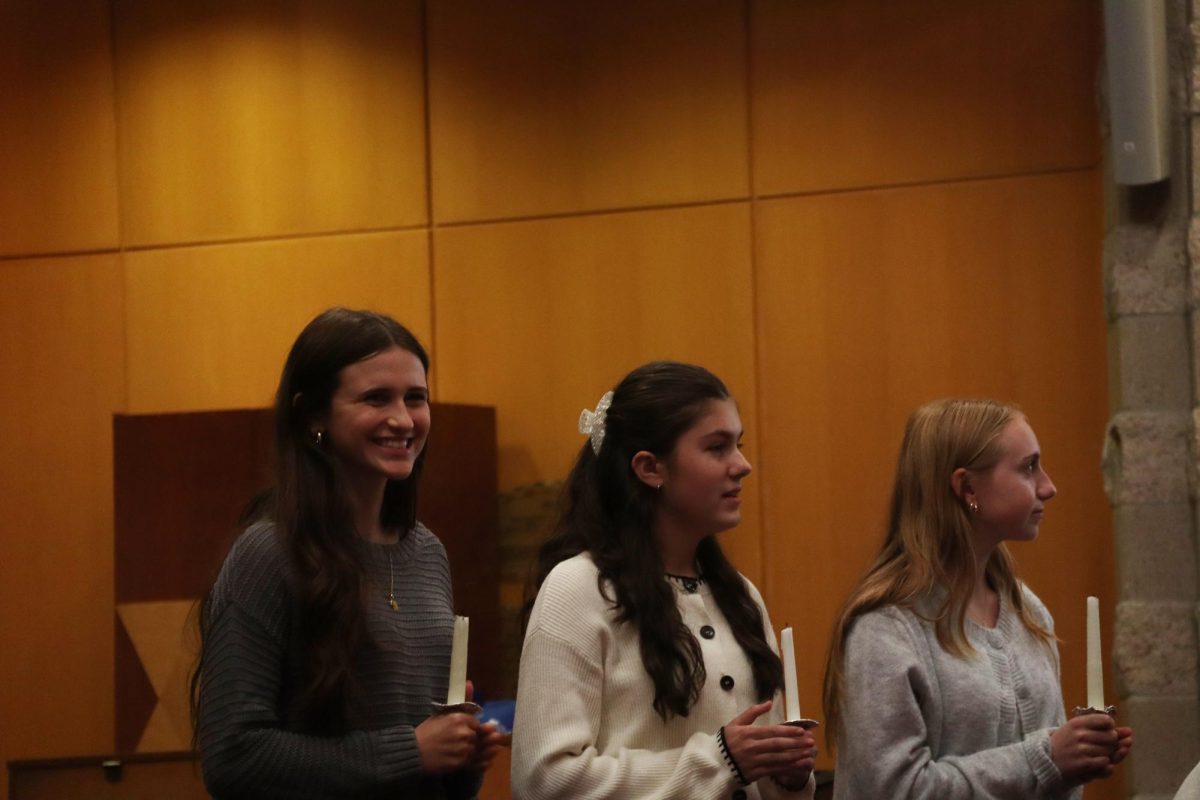
Building on this theme of unity, when Shabbat ended, the sophomores did Havdalah, a service marking the end of Shabbat and the beginning of a new week. With arms around each other, they stood outside in a circle, singing and closing off the weekend. Overall, Kugler, Shorr and Poretsky believe that the Shabbaton is a valuable opportunity for students to strengthen grade cohesion.
“I look forward to the whole vibe of Shabbaton and seeing students really reach out for each other and say, ‘hey, I want to meet new people. Hey, I want to bring new people in. I want to bring people to my table and sit in different places during meals.’ That’s so important,” Kugler said.