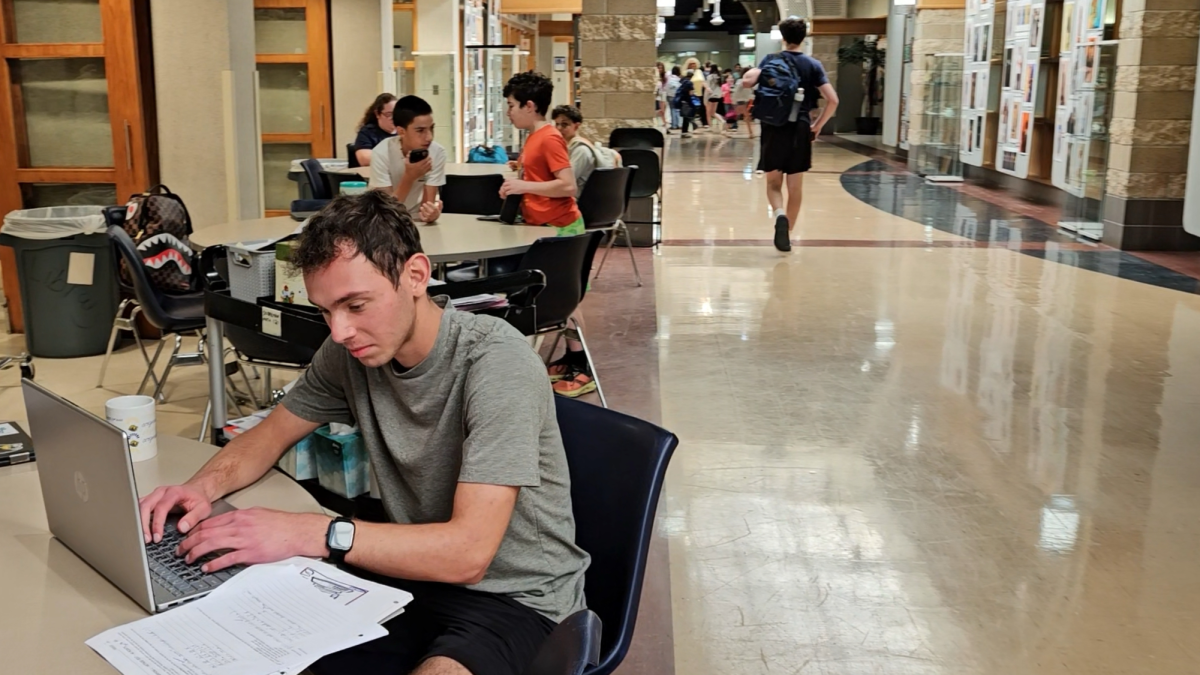


At 10 a.m. on the day after the holiest day on the Jewish calendar, Yom Kippur, students rush into school, trying not to be late to their first period classes. Some look well-rested from the two-hour delay, but most look disoriented, recovering from the intensity of the previous day.
Students enter their classes, where they then take notes about parabolas or poetry or Spanish tenses. Just the day before, some had spent as many as ten hours in synagogue, praying for forgiveness in the services of Yom Kippur.
Throughout Sept. and Oct., JDS was closed for eight full days of the High Holidays. The remaining days were interspersed with delays, extra prayer time, early dismissals and a fast day. Many weeks consisted of only two or three school days. This happens every year and begs the question: Do JDS students fall behind on academics and athletics?
“I think we’re pretty mindful of how we plan out the work level and the workload,” High School Learning Specialist Brett Kugler said. “…I think that there’s no perfect system, but we’re always trying to be mindful of that, especially in a Jewish Day School.”
There are seven total days of Yom Tov during the high holiday season, which coincide with the beginning of the school year. According to traditional halacha (Jewish law), no work may be done and no electricity (including phones and cars) may be used on these days. While JDS is a pluralistic school with varying levels of observance, holidays are generally spent with family, with many students in synagogue. For Yom Tov, many students and teachers are wholly focused on the spirituality of these different holidays, isolated from the world of athletics and academics.
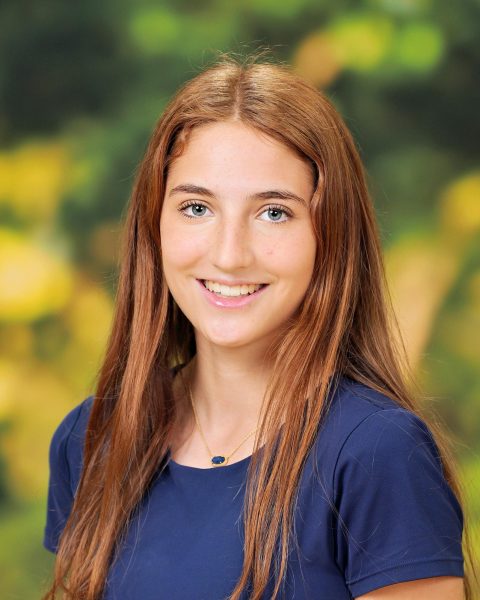
“I think that that transition [back to school] is very hard because during the holidays, I’m spending a lot of time with my family and my friends who live near me, and I’m staying up pretty late to enjoy the holiday,” junior Emunah Simkovich said. “But then going from having those holidays straight into a normal school day kind of throws me off.”
One thing that distinguishes more modern sects of Judaism from traditional ones like Ultra-Orthodoxy is the level of engagement with the secular world. JDS has a general studies curriculum similar to the counties around it, and plays in the Potomac Valley Athletic Conference (PVAC) with other non-Jewish schools in the area. The majority of parents work in secular fields, and most students aim to attend the same universities as their non-Jewish peers and thus must do the same preparations during college application season in Sept. and Oct.. So while JDS families stop to observe the High Holidays, most external factors in their lives continue.
The day after each Yom Tov is a return to school and sports as usual — a transition from focused prayer to everyday routines. According to Kugler, teachers try to make this transition as easy as possible for students. Still, Simkovich said that one thing that is difficult for her is that while tests and assignments are given weeks ahead of time, there is little time to actually prepare due to the holidays. Additionally, the way the holidays fell this year, she said that she had just gotten used to her school routine when it was thrown off.
“It puts me in that weird in-between where I’m in school, but I’m also very much out of school,” Simkovich said. “It kind of has put me back on all the catching up, all the getting used to school that I did at the start of the school year, before the holidays.”
The athletic world also continues during the High Holidays. JDS is one of two Jewish high schools in the PVAC. According to Assistant Director of Athletics Matthew Landy, the league is easy to work with when it comes to scheduling around the high holidays, as they are used to it by now. However, the holidays still present a challenge to JDS’ sports teams, who have games tightly packed into their schedules in order to play every league game.
“Not only are kids tired and always playing games, but there’s not really a lot of time to address what’s going wrong with your team, or the things you need to work on,” Landy said. “And it’s hard for players to kind of rest and focus on the things they want to improve on, and that’s because they’re just always having to play a game.”
Due to the busyness of the holidays and certain religious laws, athletes can’t always rely on practicing on their days off from school.
“It’s really difficult because we get a schedule where we’re supposed to run on our own, which isn’t always possible given the holidays, and then that really disrupts our training and gives us a disadvantage compared to other schools,” freshman cross country runner Rayut Weiser-Rosenbaum said.
While the High Holidays will nearly always present challenges to JDS at the beginning of the year, Simkovich believes that they provide a necessary spiritual time and is grateful that she can observe them.
“I think that the practices of all those holidays are very meaningful to me, like going to shul and keeping all the different traditions mean a lot to me,” Simkovich said. “And I really enjoy having the time to celebrate those holidays. And I think that while it does kind of put me in a weird schedule with school, I’m still really happy that I’m able to celebrate the holidays with my family.”