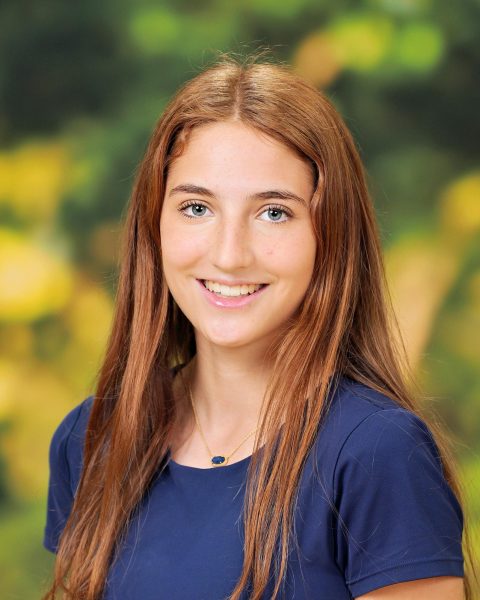


Sophomore Hanna Jakabovics walked into a resident’s room on her first day volunteering at the Hebrew Home of Greater Washington expecting a polite introduction and maybe a short chat. Instead Jakabovics found herself in a half-hour conversation with the resident about crocheting, a hobby they both share.
The Hebrew Home, across the street from the Lower School, gives volunteers the opportunity to do a number of activities with the residents, and gives residents a chance to interact with the youth. Jakabovics has been working at the Hebrew Home for a year now, and greatly appreciates learning from people with much more life experience, while also keeping them company and making them feel less lonely.
“It really makes a difference in their lives,” Jakabovics said. “These people have been around for so long and know so much so you can learn from them also.”
The Hebrew Home is just one example of the many local organizations in the area open to volunteers. There are plenty of ways for CESJDS students to get involved and give back to the community.
Community service doesn’t just benefit the community, but volunteers as well. It helps students learn about themselves and their interests, gain insight into potential career paths and experience meaningful connections with others, according to Tori Ball, Dean of Experiential Leadership and Service Learning.
“So much of high school is sort of this prescribed thing where you’re required to learn about algebra, you’re required to learn about chemistry, you’re required to learn about history,” Ball said. “A lot of real life is about deciding for yourself what you want to focus on and what you want to do with your life. I think people’s community service projects are an opportunity to decide for yourself what impact you want to have.”
Starting with the class of 2027, JDS requires high school students to complete 80 hours of community service before they graduate, 40 of which must be completed within one designated organization of a student’s choosing. This system requirement allows students to truly make an impact on a specific organization, according to Ball.
The current seniors follow the old system of community service, in which students must spend at least 40 of their 80 hours volunteering directly for a community in need. To assist students in finding an organization, Ball created a spreadsheet of local service opportunities where past students have had meaningful experiences.
One organization on this list, which is actively seeking more student volunteers, is Open Door Sports, a non-profit dedicated to giving quality sports lessons to kids with special needs. Junior Ryan Klepper has been volunteering at Open Door Sports for over a year, and one of his favorite parts of the experience has been seeing the impact it has on the parents of the children.
“To raise a kid with special needs is really, really difficult,” Klepper said. “And so I think it’s equally good service to the kids as it is to the adults, because it’s just giving them a break and they look so happy seeing the kids having fun.”
Other popular organizations that involve working with children with special needs include Friendship Circle and Imadi.
Ball also recommends two hands-on service projects, which are both walkable from JDS: Bikes for the World and So What Else. Bikes for the World provides affordable and good quality bikes to low-income people around the world and So What Else is a food pantry and resource center for those in need.
According to Ball, endless local opportunities available give students the chance to not only fulfill their service hours but also discover what kind of work resonates with them the most and, in the process, make a lasting impact on the community around them.
“One of our core values as a school is Tikkun Olam, and it is central to Judaism that folks seek to repair the world,” Ball said. “I think what’s cool about the way we do community service now, where students pick a focus organization where they’re donating at least 40 hours, is that we really want to see people define Tikkun Olam for themselves and decide for themselves ‘What does it mean to repair the world? What is an area where I’d really like to make an impact?’”