
For the past two and a half years, the Israel-Hamas war has affected many members of the JDS community. Following the most recent ceasefire on Oct. 10 and the return of the remains of final Israeli hostage, Ran Gvili, the community is now entering a period of transition. Many Jews are trying to move forward under the new circumstances.
The ceasefire ended two years of active fighting and included the return of all Israeli hostages, an Israeli military withdrawal to designated security lines and an increase in humanitarian aid to Gaza. It is being implemented in phases, with the current phase focused on reducing Hamas military capabilities and establishing an interim authority in Gaza.
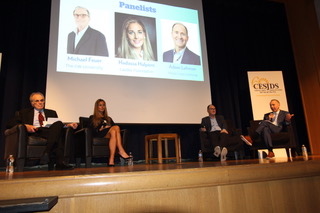
Many community members are overjoyed with the end of the war. Michael Koplow, a JDS parent and Chief Policy Officer at the Israel Policy Forum, feels a sense of calm during the end of fighting and hopes for a return to normalcy in the lives of both American Jews and Israelis.

“I think that even though we’re, of course, far away from the situation, certainly American Jews are feeling the impacts of the ceasefire at the end of the war in a positive way,” Koplow said. “I think for Israelis, too, it’s really important that the war is over and that they can hopefully get back to some normal routine.”
As conversations about ceasefire phases and political transitions continue, recent events have brought joy, such as the return of Gvili on Jan. 26. This is the first time in 12 years that there are no Israelis held hostage in Gaza.
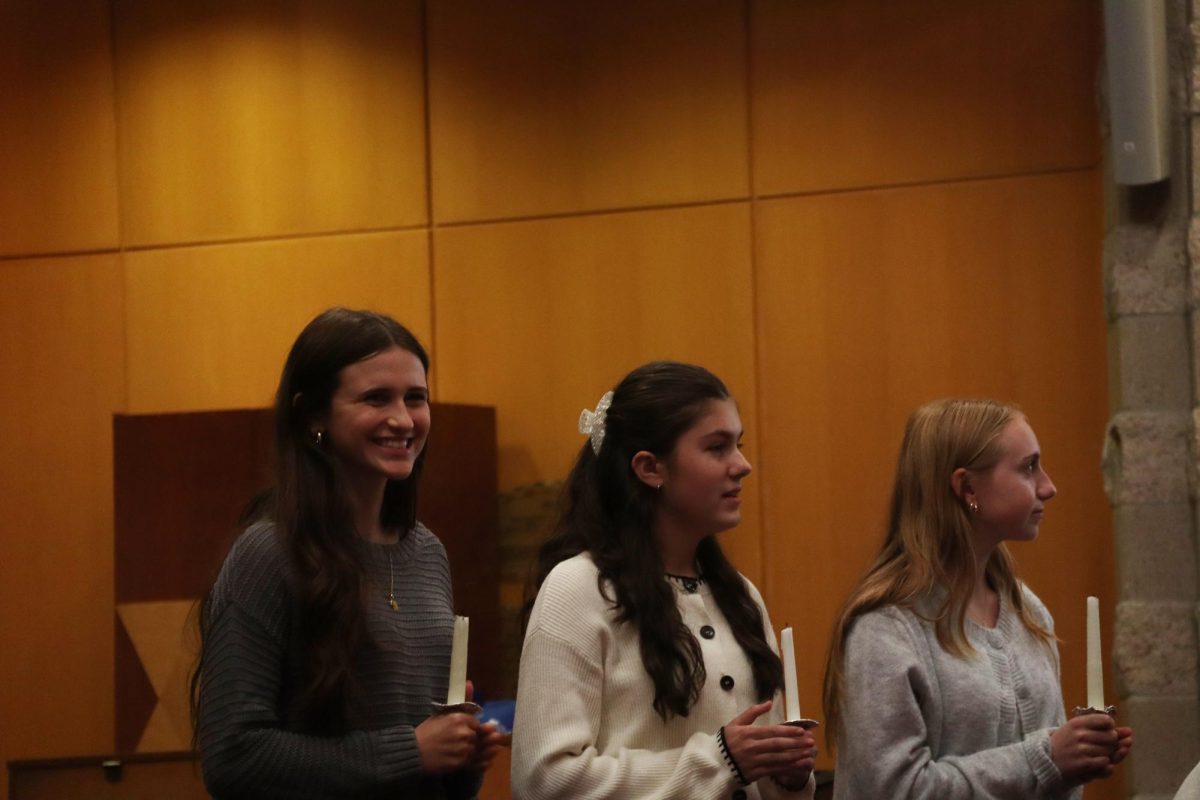
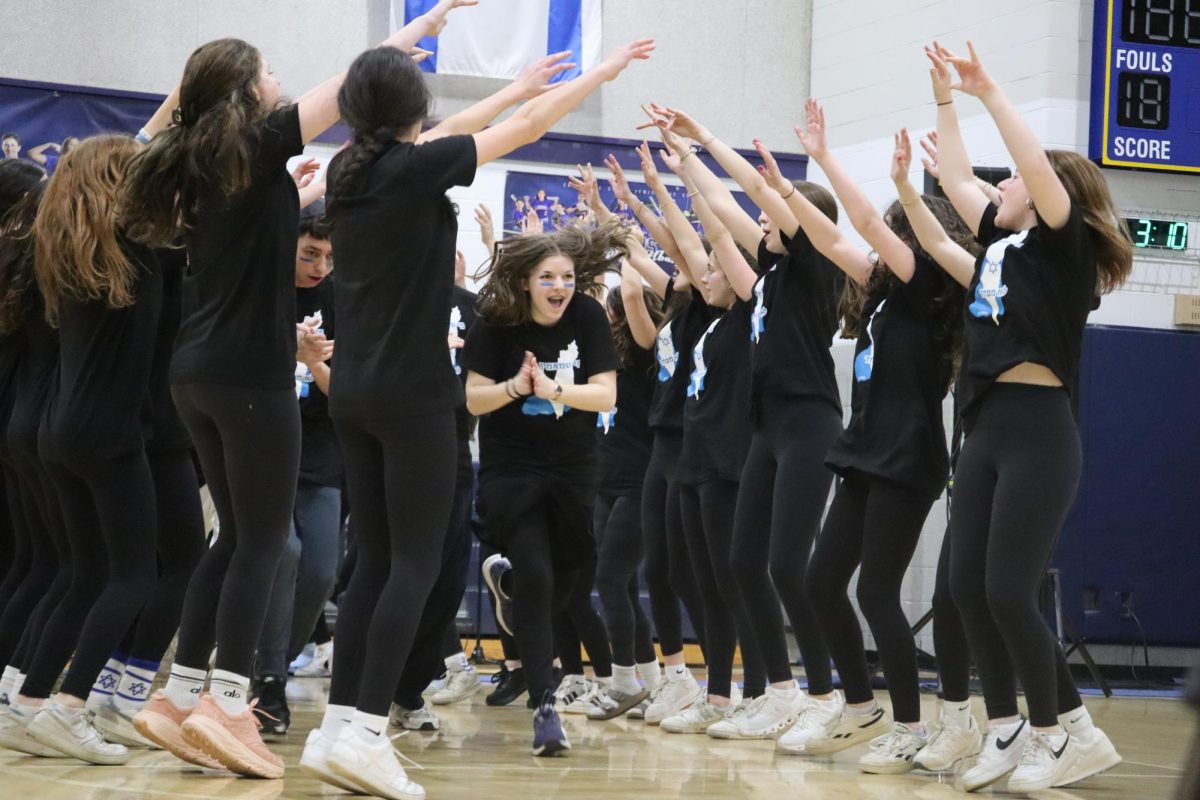
Gvili’s return was celebrated by many students and staff members within the JDS community through a change in typical Kabbalat Shabbat prayers and discussions in Hebrew classes. Freshman Ariel Mincha, an Israeli student who moved to the U.S. during the recent war, said the news brought feelings of joy and renewed strength during a difficult period.
“It was a very happy moment that gave [me] hope again after everything that has happened in the last two years,” Mincha said. “I think the school community is really happy. I was really happy yesterday to take the picture of Ran off the board of the hostages.”
As students and families process the many emotions following these recent events, the school has been finding ways to support the community both by fostering hope for lasting peace and safety and by helping everyone figure out how to move forward and continue with daily life, according to High School Assistant Principal Aileen Goldstein.
One way this has been done is by adjusting visual reminders of the war, such as removing hostage prayers and displays in communal spaces. Another way is continuing conversations about current events in Hebrew and Jewish History classes. Goldstein said the goal is to support students in building both academic and social-emotional skills while navigating this transition as individuals and as a community.
“With everything that we do here at the school, we are trying to give students the foundations to lead successful, empowered Jewish-American global citizen lives,” Goldstein said. “…That meanstending to one another when we need tending to one another, which is what much of the last two years have been about.”
While the ceasefire has eased immediate tensions, the broader situation in Israel remains complex. As the process of stabilizing Gaza continues, questions about political leadership, security and the future of Israeli-Palestinian relations remain unresolved.
As of March 2, these unresolved tensions are heightened by the aftermath of a 12-day conflict between Israel and Iran in 2025. This conflict, combined with ongoing protests inside Iran, has prompted U.S. law enforcement and Jewish security groups to keep synagogues and schools on high-alert.
For community members observing from afar, learning about these developments provides context for how Israelis and diaspora Jews are navigating the next steps. As the country begins to plan for recovery and governance, leaders and citizens alike are considering safety, long-term stability and the ongoing engagement of the American Jewish community.
“There are so many ways that our community is connecting to Israel and to the Jews around the world,” Mincha said. “I think a lot of students think about looking forward to what will happen in the future.”