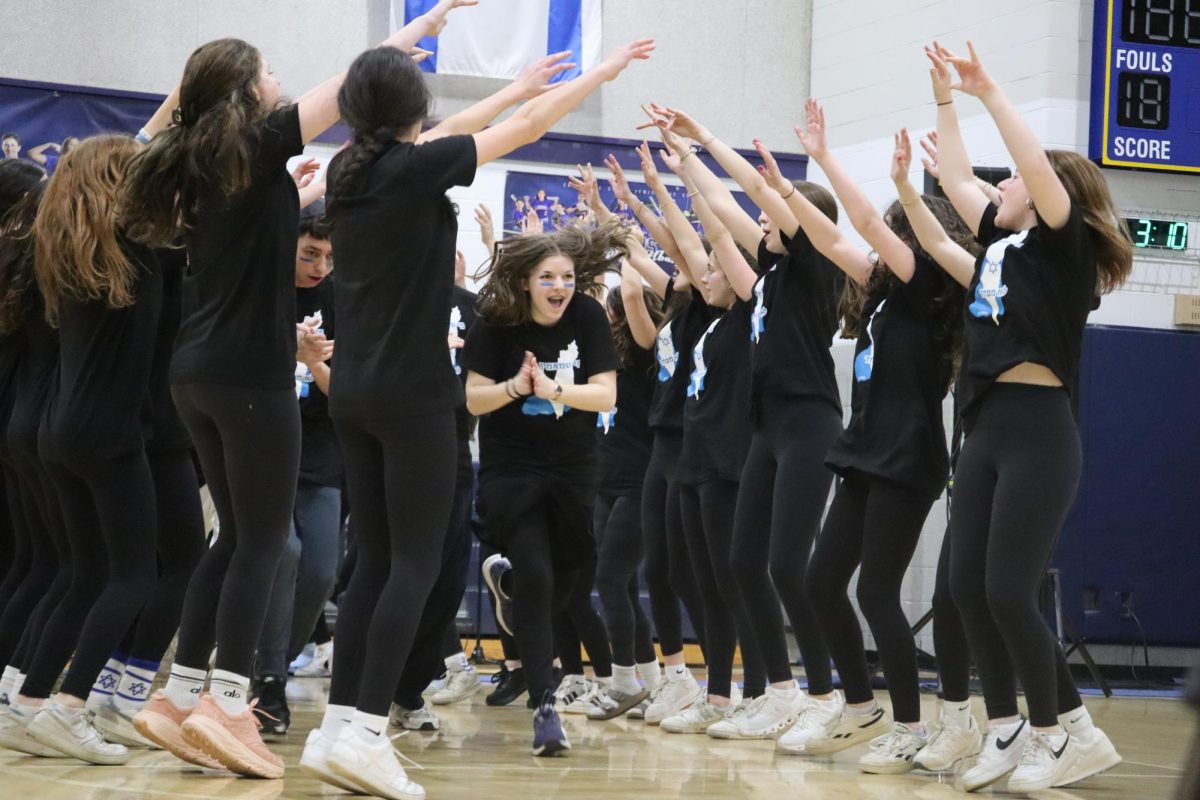


After the last day of first semester every year, the senior alcove at JDS roars with excitement as seniors celebrate the end of their classes, marking the final stretch toward Siyyum and graduation. This year, though, the celebration may be short-lived.
The administration is introducing final exams for seniors in Contemporary Literature, 21st Century American Identities and science classes in addition to the pre-existing math final. As well as finals for all students taking second and third-level science courses, while previously, only first-level science classes had a final. All finals will continue to count for 10% of students’ final grades.
“We have two major goals for exams,” Assistant Principal Aileen Goldstein said. “One goal is to synthesize material that’s been learned over a long period of time, so we define that currently as a semester…The other piece of it is to prepare [students] for college. And if the students who are next going to college are the seniors, why is it that they have only one exam? And why is that exam only in math?”
The seniors’ schedule between the end of classes and graduation will differ from past years. Previously, there have been different versions of senior seminars; however, that period will now be dedicated to final exams. The seminars will be held at different times throughout the first semester.
Senior Jonathan Gordon anticipates that the senior thrill may feel different with the added pressure of several major tests.
“Senior year, it should feel like so much of a big milestone,” Gordon said. “I love to see the seniors moshing, they’re done with everything. And, with one or two finals, that’s still possible… But if you’re dealing now with four or five or even six, for some people, finals, that’s a real buzzkill.”
Goldstein explained that the decision to add second and third-level science courses was due to alumni feedback that expressed a lack of preparedness in math and science courses in which grades come primarily from tests. This led the administration to believe they are doing a disservice to students by not having exams for all science levels. However, some students believe this will diminish the experience of participating in higher-level courses.
“Higher level courses: Genetics III, Physics III, where the students have been learning [the subject] for a while, and this is really just learning for the sake of learning, I think a final takes away from the spirit of that, and I think a final puts unnecessary stress on the students who are really just trying to learn extra physics because they are motivated to,” Gordon said.
This impacted Gordon personally, as he considered taking a second science course but chose not to, already committed to two math courses and is uninterested in taking six finals. He said that senior year is already stressful due to college work and expecting students to take six finals is unrealistic, even for college students who typically take 3-5 classes.
The policy increases the workload for some teachers. For example, Ray Hodges, Ruth and Samuel Salzberg Science Department Chair and physics teacher, will have to prepare five finals annually instead of one. According to Hodges, giving more finals at year-end isn’t a big challenge since classes have concluded, but it may be harder to have seniors take finals while other classes are in session.
“I think that next fall, when we return, we’ll [faculty] have to work through the details of how it’s [the policy] going to be implemented, just to make sure there is nothing we get caught up on,” Hodges said.
Hodges and Goldstein noted a few wrinkles to be addressed, including scheduling and adjusting curricula to leave review time, accommodating seniors in mixed-grade classes and finding a location with reliable WiFi for seniors to take finals while others are in class.
Despite concerns, Gordon appreciates the opportunity to take finals because they mirror college exams and offer students a chance to improve their grades. Goldstein echoed this sentiment, emphasizing the importance of putting students first.